Table Of Content

Just remember to discuss the cause of your hair loss with a dermatologist before trying an at-home treatment like rosemary oil. “Others with more sensitive skin may want to use rosemary oil with caution to avoid skin irritation,” Dr. Camp says. It has anti-inflammatory properties and helps to prevent symptoms of dermatitis. Rosmarinic acid improves scalp and follicle health for better hair growth. Rosemary oil applied topically can help to boost circulation in areas with poor blood flow, improving both skin and follicle health. You can massage rosemary water into your scalp or spray it on to stimulate circulation around the scalp.
How Do You Use Rosemary Oil for Hair Growth?
Well, we turned to the experts for the facts on using rosemary oil for hair and learned there’s so much more to this essential oil other than great taste. Keep reading to find out, plus shop some of the best rosemary oil hair products—including top hair growth shampoos and scalp treatments approved by experts. Even if your hair is perfectly normal, rosemary leaves it soft and shiny. Although you can purchase commercial hair products containing rosemary, you can also prepare your own rosemary hair treatments at home. When looking for the best rosemary oil for hair growth, ensure that it’s of the highest quality and contains all of the natural compounds of the rosemary plant.
Is rosemary safe to use for everyone?
But pregnant women and lactating mothers could avoid using rosemary, for safety purposes. Apart from premature greying of hair, it helps slow down the natural process of hair greying as well, to a large extent. Using rosemary for the hair is known to help fight premature greying of hair because rosemary has hair darkening properties that can help darken greys. This article will talk about what rosemary actually is, how using rosemary benefits the hair and also will give you simple ways to use rosemary for your hair.

How to Use Rosemary Oil for Hair Growth: DIY Step-by-Step
Rosemary Oil for Hair Growth: Does It Work? According to Dermatologists - Men's Health
Rosemary Oil for Hair Growth: Does It Work? According to Dermatologists.
Posted: Fri, 18 Aug 2023 07:00:00 GMT [source]
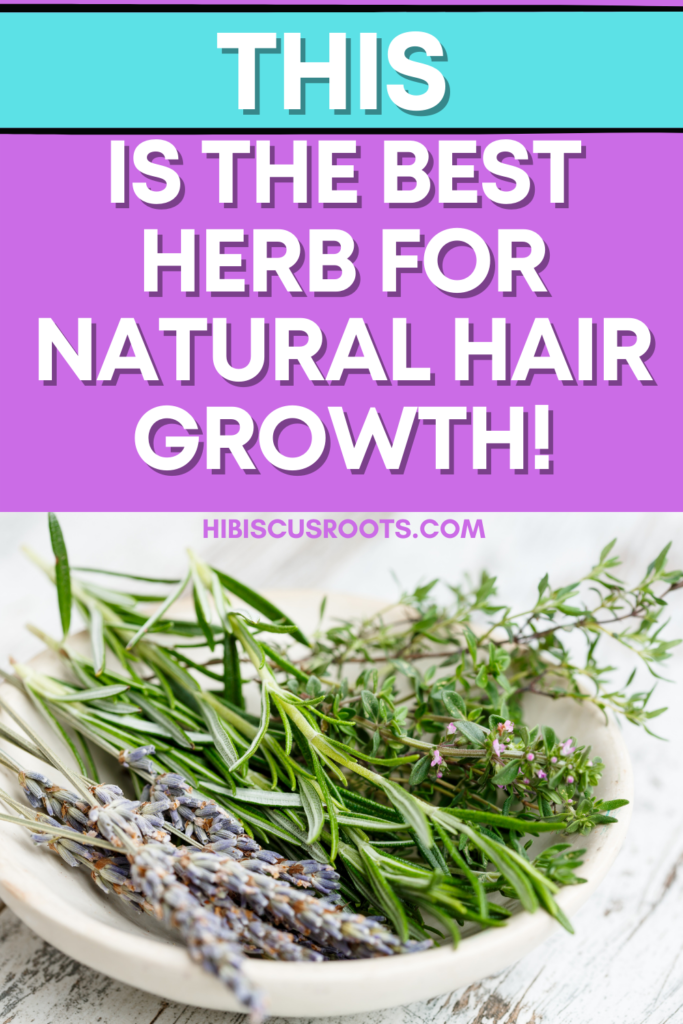
This oil is extracted from the Rosemarinus officinalis—or rosemary—plant, a fragrant evergreen shrub native to the Mediterranean region that sprouts blue or whitish flowers. You're probably most familiar with this plant as a garnish for some of your favorite savory dishes—it has an earthy taste and many powerful compounds that provide myriad health benefits. It’s worth mentioning that individual results may vary, and the effectiveness of any treatment can depend on various factors such as the underlying cause of hair loss, genetics, and overall health. To make the hair rinse, you will require to heat up a litre of water in a pot and add in 10 rosemary stalks. So, if you are on the lookout for a remedy to help get rid of all your hair problems like hair thinning, lack of hair growth, and excessive hair fall rosemary is your IT girl. If you want bouncier hair, find herbs that make your hair bouncy and add them to your rosemary recipe.
Add it to your own homemade shampoo
Nearly a billion people on the social media app have watched hair-flipping testimonials on the benefits of the extract. Once an individual finds a base shampoo they prefer, they can then add essential oils, like rosemary oil, to the base depending on the benefits they desire. Once you have diluted the rosemary essential oil in the carrier oil, mix it well and then apply it all over your scalp and hair generously. Remember to always dilute essential oils with a carrier oil before applying them to your hair or skin. More revealing recent studies show that rosemary directly helps protect against hair loss. One 2015 trial pitted the essential oil against minoxidil, commercially known as Rogaine.
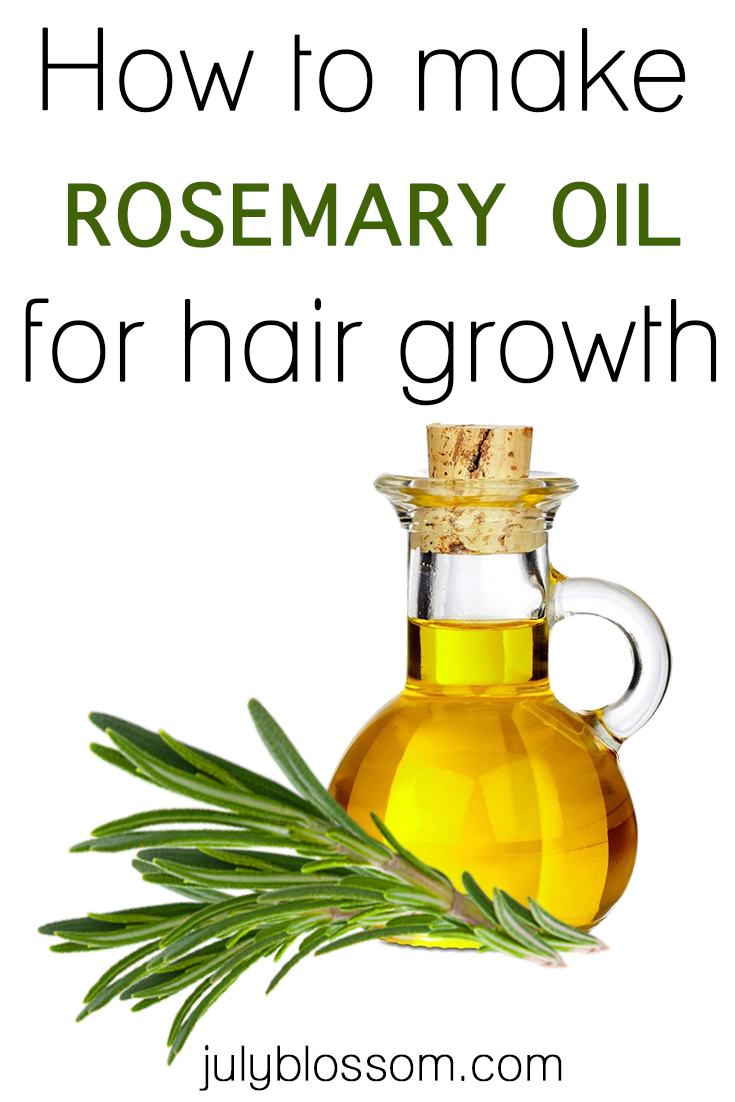
Not only does rosemary reduce hair fall, it can also give way to hair growth due to its ability to keep the nerves healthy. It contains carnosic acid, which is known to have a healing effect in the case of nerve damage. Due to this, rosemary can provide your scalp with the nourishment it needs for growth. Research suggests that rosemary can play a part in stimulating hair growth. In the study comparing rosemary oil and minoxidil, it took 6 months to see a significant increase in hair growth and thickness with daily use. However, it only took 3 months for rosemary oil to decrease hair fall.
Rosemary Tea
Our Stem Cell Peptide Treatment contains clinically vetted Grape Stem Cells that create an environment for optimized hair follicle function, leading to thicker-looking hair in just 12 weeks,” she adds. While applying the pure oil will probably be more effective, you can also put some drops of rosemary oil to your shampoo and let it sit on your scalp for a few minutes to see if the benefits apply there too. Ahead, learn everything you need to know about using rosemary oil for hair growth, including how to use it and its potential side effects. Using rosemary oil for hair growth exploded as a TikTok trend over the past year.
Using Chile Shampoo for Hair Growth: Learn How and Why It Works
However, more research is needed to see if rosemary oil can help prevent hair loss. The herb’s leaves and essential oil can be added to the haircare routine to ensure both your scalp and hair stay healthy. Not only does it increase the blood circulation in your scalp, it also removes excess dirt and oil, and improves the thickness of your hair. You’ll need a large amount of dried rosemary herb to make rosemary oil for hair. I buy it by the bag and use it liberally to make hair oil, rosemary water, and other hair growth DIYs.
Repairs Damaged Hair
You should dilute the oil with a carrier oil before using it in your hair. The Food and Drug Administration (FDA) does not regulate herbal products like essential oils for purity or potency. That means you will want to do your due diligence when purchasing essential oils for use in your hair and on your scalp. However, you will want to do a patch test (applying it to a small area to observe for a reaction) before applying it more generally to the skin. Rosemary essential oil is a potent oil extracted from rosemary leaves and flowery tops. And if you don't feel like using a bottle of essential oil from your local health food store, you can pick up one of these hair products that contain rosemary oil too.
Rosemary Oil: The Secret Ingredient for Hair Growth with Shilpi Khetarpal, MD - Cleveland Clinic
Rosemary Oil: The Secret Ingredient for Hair Growth with Shilpi Khetarpal, MD.
Posted: Mon, 12 Jun 2023 07:00:00 GMT [source]
You can use rosemary oil to treat the hair and scalp in a variety of ways. However, for any potential hair growth benefits, the application must be regular and intentional. "When using rosemary oil for hair regrowth, I recommend nightly application every day for at least the first six months," Markowitz explains. In addition to the direct application of rosemary oil treatments, many shampoos and conditioners contain rosemary oil that you can incorporate into your beauty routine. Not to be confused with rosemary essential oil, this aromatic, herbal-infused oil has a variety of benefits for hair and scalp – especially growth and thickening.
Some users have suggested pouring the mixture over the roots and scalp, while others have found it handy to use a spray bottle and aim it at the scalp and strands as desired. It’s generally intended to be a last step rinse of sorts during your shower routine. People with certain health conditions, including high blood pressure, ulcers, and inflammatory bowel disease, should not use rosemary essential oil. Some evidence suggests rosemary oil might help prevent premature graying of hair. The research in this area has been limited, and more studies are needed to determine rosemary oil's effects on hair color.
Not many, however, know that it can have multiple benefits for your tresses too. While I still have a long way to go, it didn’t take much time to notice a difference – the excess shedding has stopped, and I’ve seen steady new growth. Factors leading to hair loss include immune system reactions, infections, hormonal imbalance, age, and genetics are some of the leading causes. Certain fungal infections can lead to persistent dandruff problems without proper treatment. A yeast-like fungus known as Malassezia commonly found in warm, humid areas is often the culprit behind seemingly untreatable dandruff flare-ups. As mentioned as a disclaimer, as a precautionary measure patch testing any product with rosemary before complete application is always recommended.
All you need to do is heat up a wok with a cup of coconut oil and add in a cup of rosemary stalks (or ½ cup of rosemary leaves) into it and let it simmer for around 8 minutes. Before Pantene, Queen Helene and Head and Shoulders, women turned to their gardens, woods and fields for plants that met all of their beauty needs. Whether it be a cure to dandruff, premature balding, dull strands or a desire for a new hair color, there was a plant that they knew could meet their specific demands.
Not much is known about rosemary oil's safety in pregnant and breastfeeding people. Even though rosemary oil is used topically, confirming risks and side effects with your healthcare provider is a good idea. Helen Reavey, board-certified trichologist and founder of Act + Acre, recommends leaving the oil in your hair for “at least 30 minutes,” and you can absolutely leave it in longer. “I recommend a longer amount of time as it can be used as a leave-in treatment,” she says. Rosemary oil can be applied to the scalp and massaged in, or even applied to the air and covered with a shower cap and heating cap for a soothing treatment. It’s thought to create a healthy environment for strands to grow in by improving circulation to the scalp, moisturizing the skin, as well as soothing dandruff and inflammation.
But people with finer hair might find that using the product makes their locks look greasy or weighed down. Carnosic acid carries anti-inflammatory and antioxidant properties that can help rejuvenate damaged nerves and tissue in your body. Applying it to your scalp creates an environment where your hair can thrive. A person should speak with a healthcare professional before using rosemary oil, especially if they are nursing, have skin sensitivities, or have a skin condition.
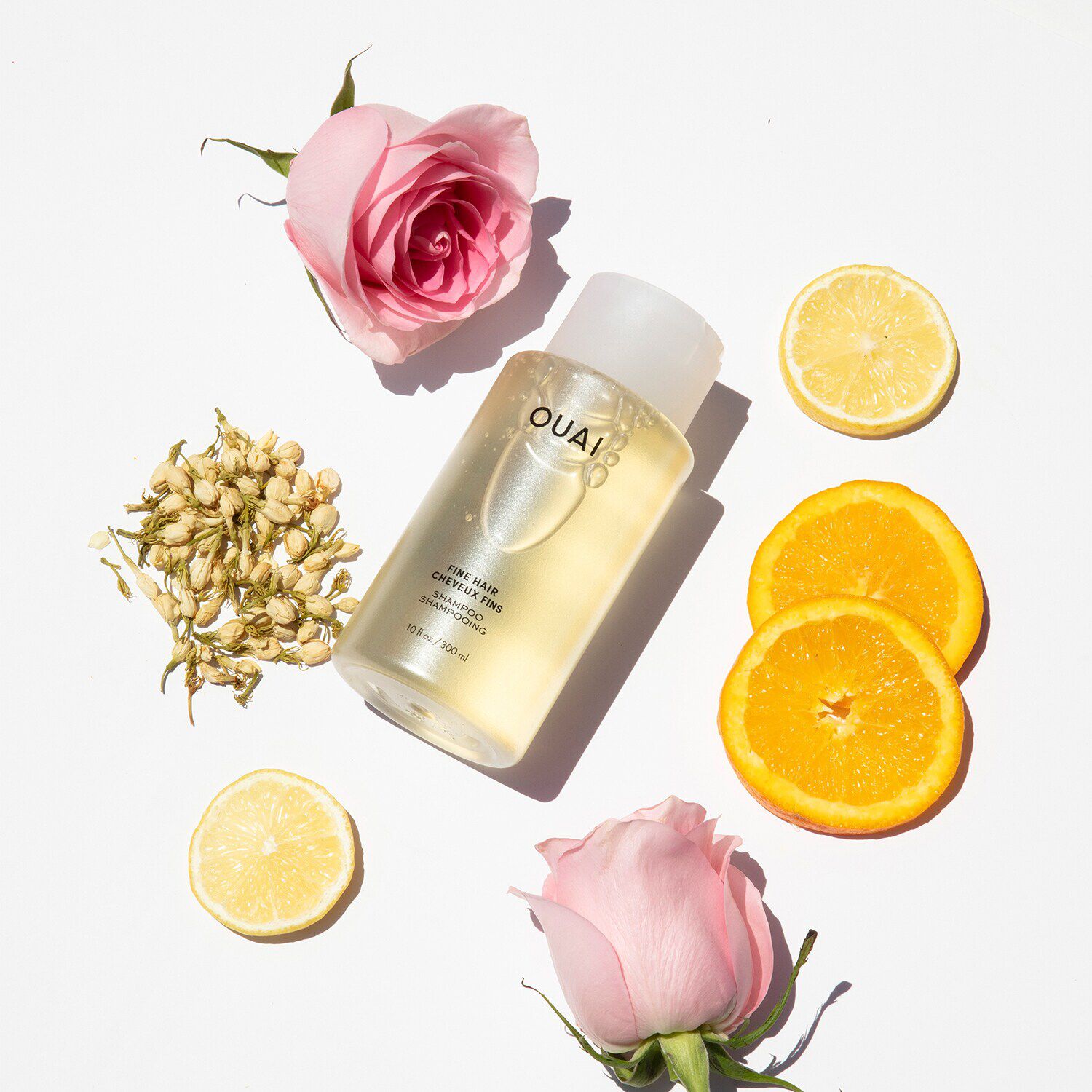
For those with more of a do-it-yourself orientation, you can also purchase rosemary oil and add the oil to existing hair products. Our recommendation, especially for newbies, is to find hair products with a high concentration of rosemary oil as the main ingredient. If you’re worried about hair loss before it occurs, there is no research that concludes that rosemary oil prevents hair loss before it occurs. The research involved treating one group of patients with DHT-related hair loss with minoxidil and the other group with rosemary oil for six months.